


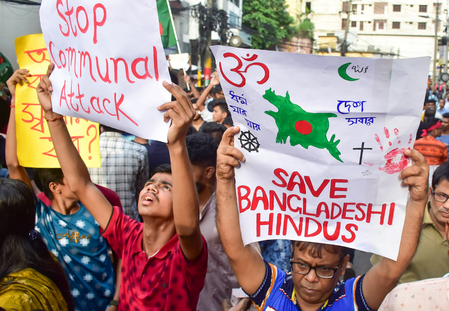
While Bangladesh’s 1971 Liberation War against Pakistan is known for mass killings and systematic repression, Human Rights Without Frontiers (HRWF) highlighted the insufficient recognition of the religious aspect of the violence. The HRWF report pointed out that Hindu communities were disproportionately targeted and persecuted based on their religious identity.
The debate on acknowledging the violence during the 1971 war as genocide has resurfaced at the United Nations following HRWF’s statement on July 3. This renewed focus reflects a global shift towards addressing historical injustices that continue to impact present vulnerabilities, as reported by Eurasia Review.
During the 62nd session of the UN Human Rights Council, HRWF director Willy Fautre emphasized that recognizing past atrocities is crucial for present-day religious freedom, not just a retrospective classification. The report highlighted that the failure to fully acknowledge the religious aspect of the 1971 atrocities has ongoing repercussions.
HRWF stressed that the absence of formal recognition leads to a fragmented historical narrative, risking the neglect of minority communities’ experiences and hindering efforts to protect them. Religious minorities in Bangladesh, including Hindus, Buddhists, and Christians, still encounter challenges like land dispossession and communal violence.
Addressing vulnerabilities requires understanding their historical origins, according to HRWF Director Fautre. Formal recognition of the religious persecution in 1971 would reinforce norms against identity-based violence and signal zero tolerance for such crimes, past or present.
As global discussions on historical accountability gain momentum, the Bangladesh case’s resurgence at the UN highlights the challenge of balancing justice with political realities. By seriously considering recognition, the international community can establish a more consistent approach to memory and prevention, setting standards for evaluating the present and future.
