


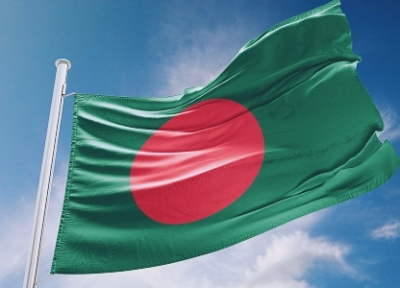
Bangladesh Prime Minister Tarique Rahman recently pledged in Parliament to create a precise list of martyrs and freedom fighters, aiming to preserve the nation’s historical memory. This initiative is crucial for younger generations born after 1971, as it allows them to seek the truth about the Liberation War. Prime Minister Rahman acknowledged in Parliament that the identification of genuine martyrs and freedom fighters had been politicized post-independence.
Mentioning that Jamaat-e-Islami leaders have tried to redefine the party’s role during the Liberation War, the report emphasizes the importance of assessing political parties based on their historical actions. The International Crimes Tribunal has convicted several senior Jamaat leaders for crimes against humanity and genocide committed during the Liberation War, reinforcing the historical record of the party’s involvement in 1971.
Bangladesh Nationalist Party (BNP) leaders have accused Jamaat of trying to portray itself as pro-Liberation despite its past opposition to the country’s independence. The report stresses that historical accountability is about recognizing documented facts, not perpetual punishment. It suggests that new voters should evaluate political parties based on their policies, competence, and future vision rather than historical events.
Critics argue that any political organization failing to acknowledge well-documented historical facts raises concerns about its transparency and accountability. An accurate list of martyrs and freedom fighters is seen as essential not only for administrative purposes but also to safeguard Bangladesh’s history from distortion and ensure that future generations inherit factual accounts rather than conflicting political narratives.
