


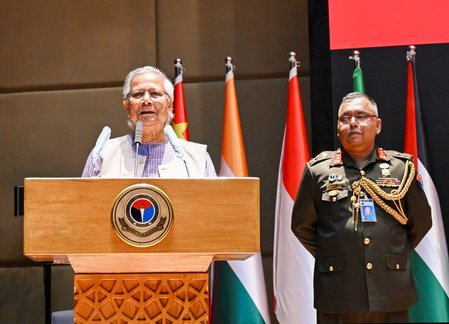
Bangladesh experienced a rise in mob violence during the 18-month tenure of the Muhammad Yunus-led interim government. Critics suggest that these incidents were not random bursts of anger but part of a broader pattern of “organized disorder.” Following the political turmoil of August 2024, the country faced widespread unrest, including attacks on police stations, arson, looting, and violent reprisals across various regions.
Citing data from Dhaka-based rights group Ain o Salish Kendra (ASK), a report highlighted that at least 308 individuals lost their lives in mob violence incidents during the interim government’s rule. There are claims from rights activists on the ground that the actual death toll could be higher, with reports from monitoring organizations indicating a significant increase in mob attacks, harassment, and intimidation during that period.
Debates have emerged questioning whether the surge in mob violence was a result of political instability post the previous government’s fall or due to the interim administration’s failure to curb it. Yunus, at an event in New York in September 2024, referred to the protests that led to the downfall of the Hasina government as “meticulously designed,” sparking further controversy. Critics also accused the interim government of applying the law selectively, targeting political opponents, journalists, and business figures for public intimidation while overlooking many mob-related incidents.
The media sector faced challenges during the interim administration, with several journalists encountering legal issues, intimidation, and arrests. Some newspaper offices were reportedly attacked, fostering a climate of fear and stifling dissenting voices. The business community also felt the impact, with industrial facilities and private establishments being targeted in various incidents. Opposition figures claimed that law enforcement responses were inadequate, leading to weakened investor confidence and disruptions in economic activities.
During the interim regime, universities and educational institutions witnessed violence, with incidents of teacher harassment and politically charged confrontations on campuses becoming more frequent. This raised concerns about the erosion of academic freedom and institutional stability in the country.
