


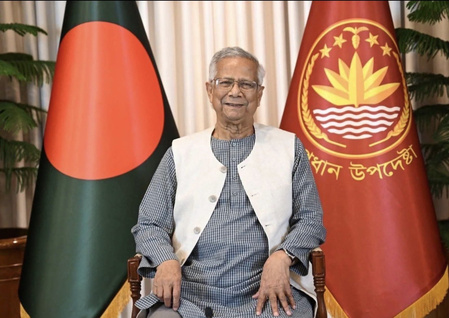
Bangladesh’s new government is advised to review a trade agreement signed by the previous interim government with the United States, as it is believed to go against national interests and sovereignty. The deal, inked just before the national election in secrecy, has sparked concerns due to strategic conditions related to national security and geopolitics, alongside tariff concessions. The agreement’s undisclosed concessions have raised questions about the protection of Bangladesh’s interests.
The agreement reportedly includes extensive tariff concessions for the US, removal of non-tariff barriers for industrial exports to Washington, and mandatory imports of costly goods. It also restricts Bangladesh from entering into agreements with third countries that could harm US exports, potentially limiting the country’s sovereign decision-making. The deal further prohibits Bangladesh from signing digital trade agreements that undermine US interests.
Moreover, the agreement stipulates that Bangladesh cannot purchase certain items from countries deemed risky to US interests, unless no alternative supplier exists or agreements were made before the deal. Critics argue that the agreement establishes US dominance over Bangladesh’s economy, trade, and foreign policy, limiting the country’s relationships with other nations. The article concludes by urging the new government to discuss canceling the agreement in the national parliament, citing its conflict with national interests and sovereignty.
