


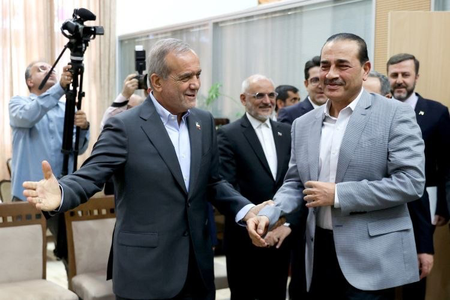
A Bangladeshi media report highlighted Pakistan’s ongoing domestic challenges despite its attempts to gain global significance through mediation in the US-Iran conflict. The nation faces economic instability, internal conflicts in Balochistan, and border tensions with India and Afghanistan. The critique follows a recent visit by a Pakistani delegation, including Army chief Field Marshal Asim Munir and Interior Minister Mohsin Naqvi, to Iran to advocate for peace.
The editorial pointed out Pakistan’s struggle to sustain its economy without IMF loans, leading to dwindling foreign exchange reserves and difficulties in meeting import expenses. Citizens are grappling with fuel shortages, increased electricity tariffs, and high prices of essential goods, forcing many to reduce spending. Additionally, the youth are showing a growing interest in migrating abroad, while small businesses are facing survival challenges.
The report also mentioned the persistent instability in Pakistan’s relations with Afghanistan due to border skirmishes, terrorism, and Taliban-related conflicts. It highlighted the tense dynamics between Pakistan and India, citing issues like the Kashmir dispute, border clashes, and political tensions that have kept bilateral relations strained, with the looming threat of nuclear conflict in the past.
Furthermore, the editorial discussed the attacks by Tehreek-i-Taliban Pakistan (TTP) and Balochistan Liberation Army (BLA) on Pakistani soil, contributing to the country’s security concerns. Despite these challenges, Pakistan’s involvement in mediating between the US and Iran is seen as driven by its economic interests. The potential escalation of the Middle East conflict could worsen Pakistan’s fragile economy, particularly impacting its large Shia population and potentially fueling sectarian tensions within the country.
