


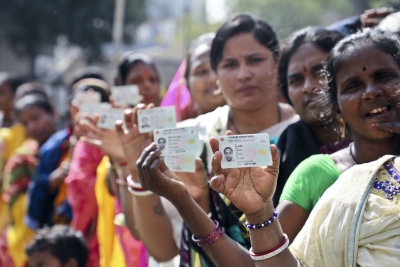
When Bangladesh goes to the polls on February 12, it marks a pivotal moment in its history, determining not just a new government but also the nation’s future safety and regional relations. The upcoming 13th national parliamentary election is a showdown between two major factions, the Bangladesh Nationalist Party (BNP) and the Bangladesh Jamaat-e-Islami, at a critical juncture for the country. The legacy of Sheikh Mujibur Rahman, a revered figure in Bangladesh’s liberation history, is now being questioned, with his party, the Awami League, banned from political activities.
The political landscape has shifted from the usual rivalry between the Awami League and the BNP, with Sheikh Hasina, Mujib’s daughter and Awami League leader, facing exile and a death sentence. The return of Tarique Rahman after 17 years in exile has energized BNP supporters, while sympathy for the party has grown following the passing of former Prime Minister Khaleda Zia. All parties are aggressively campaigning, targeting undecided voters, including minorities and former Awami League supporters.
Amidst the election fervor, concerns over security and stability in South Asia have been raised. Reports of targeted lynchings against minorities, especially Hindus, and allegations of hosting terror leaders by the interim government have sparked apprehensions. Israel’s Ambassador to India has expressed worries over Hamas’ activities in Bangladesh and Pakistan, highlighting broader security implications. Recent incidents, such as the arrival of Lashkar-e-Taiba operatives in Dhaka, underscore the challenges to regional peace and security.
The election campaign has also witnessed a shift in Bangladesh’s foreign policy dynamics, with implications for its relations with Pakistan and China. The BNP has accused Jamaat of past ties with Pakistan, while Jamaat has shown inclinations towards Islamabad and Beijing. This election not only shapes domestic politics but also holds the potential to redefine Bangladesh’s diplomatic stance and neighborly relations. Economic concerns, including inflation, weak reserves, and sluggish investment, dominate voter priorities, reflecting the nation’s crossroads moment.
