


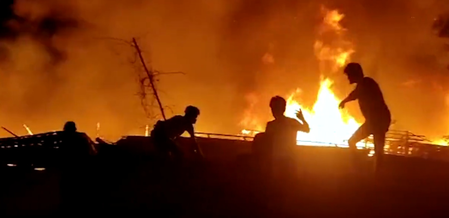
Bangladesh’s fire safety management in Rohingya refugee camps faces challenges as emergency responses take precedence over addressing the root causes of fires. Despite plans for 50,000 fire-resistant shelters, funding shortages since early 2025 have stalled progress, leaving the camps vulnerable. The refugee settlement in southeast Bangladesh has experienced 2,425 fires between May 2018 and December 2025, affecting over 100,000 individuals and destroying more than 20,000 shelters, highlighting a persistent crisis.
The recent fire in Cox Bazar’s refugee camp underscores the inherent fire risks due to the camp’s construction materials and high population density. With shelters made of non-fire-resistant materials and families cooking in close quarters, the risk of fires remains a constant threat. The situation is exacerbated by overcrowding and lack of adequate resources, turning each winter into a perilous time for the refugees.
Lance Bonneau, Chief of Mission for the International Organisation for Migration (IOM) in Bangladesh, emphasized the far-reaching impact of fires in overcrowded camps, leading to loss of shelter, belongings, and essential services. The report points out that these consequences are not accidental but stem from political decisions to house a large number of people in inadequate conditions, creating a cycle of crisis.
Following a recent fire that displaced thousands, CARE Bangladesh’s Head of Programmes, Kaiser Rejve, highlighted the importance of prevention efforts. The organization aims to integrate fire safety training into shelter upgrade programs to enhance awareness and promote safer practices among the refugee population. Despite residing in temporary settlements for over eight years, the Rohingya refugees face challenges as the government hesitates to make long-term investments due to political complexities.
