


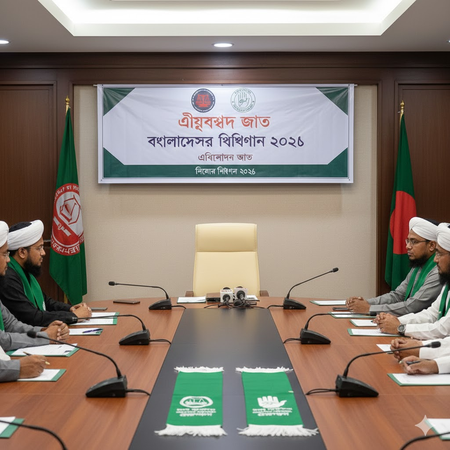
As Bangladesh prepares for the upcoming February election, challenges have arisen in finalizing a seat-sharing agreement within the Jamaat-e-Islami-led alliance, leading to uncertainty. The two major Islamist groups, Jamaat and Islami Andolan Bangladesh, are competing in over 240 overlapping constituencies, causing turmoil within the coalition. Talks between the parties to consolidate Islamist votes under an alliance of eight predominantly Islamist parties failed just before the nomination deadline on December 29, 2025.
The Election Commission data reveals that Jamaat filed nominations in 276 seats, while Islami Andolan submitted papers in 268 seats on the final day. Candidates from both parties are expected to compete in at least 240 constituencies nationwide, including those with senior party leaders. The Chattogram district has the highest overlap with 49 constituencies, followed by Dhaka with 40 seats, Khulna with 34, and other regions facing similar challenges.
The alliance expanded to include 11 parties a day before the nomination deadline, leading to increased tensions. Islami Andolan leaders expressed dissatisfaction with Jamaat’s seat-sharing plan, demanding more seats and criticizing the focus on the newly added National Citizen Party (NCP). The last-minute decisions and lack of consultation with original alliance members have caused discontent among various parties, highlighting rifts within the coalition.
Amidst internal instability, the NCP is gearing up for its first national election, with key structures weakened due to resignations over the alliance with Jamaat. Some within the NCP view this alliance as politically risky, resulting in further resignations and inactivity among top leaders. As Bangladesh’s election date approaches on February 12, political tensions are escalating, revealing deepening divides across party lines.
