


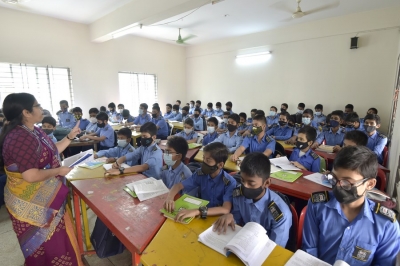
The roots of Bangladesh’s youth employment crisis are traced back to deficiencies in the education system, which fails to provide students with necessary skills for the job market. Public spending on education in the country has been consistently below 2 per cent of GDP, significantly lower than UNESCO’s recommended 4–6 per cent and the lowest in the Asia-Pacific region. This has resulted in poor learning outcomes, with only 49 per cent of children aged 7–14 possessing basic reading and numeracy skills, limiting their future employability.
Bangladesh, with a population exceeding 17.5 crore, has a significant youth demographic, with around 4.7 crore individuals aged 15-29. However, the education system’s emphasis on memorization over critical thinking and its weak collaboration with industry have led to graduates being ill-prepared for the demands of the job market, particularly in the era of the Fourth Industrial Revolution. As a consequence, tertiary-educated unemployment has risen sharply, reaching 27.8 per cent in 2022.
The report highlights that a large portion of Bangladesh’s youth, faced with limited opportunities at home, are opting for migration in search of better prospects and a more stable future. Approximately 55 per cent of young Bangladeshis express a desire to migrate, citing the need for fairer opportunities. Gender disparities and geographical factors further compound these challenges, with Bangladesh grappling with high rates of child marriage and adolescent pregnancy, particularly affecting women in urban areas.
