


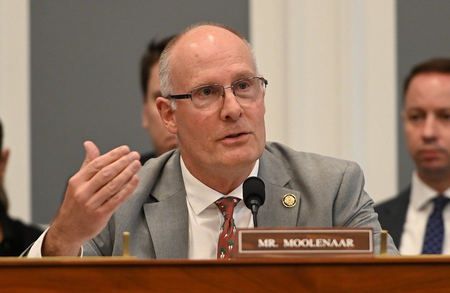
A bipartisan Congressional panel has raised concerns about China’s expanding economic espionage and influence operations in the United States. Lawmakers highlighted China’s efforts to target various sectors beyond Washington, including state governments, universities, businesses, and local communities. The panel emphasized the need to differentiate between actions of the Chinese government and Chinese Americans to prevent discrimination.
Committee Chairman John Moolenaar described the Chinese Communist Party’s extensive campaign to undermine the US through economic espionage, cyber intrusions, and influence operations. He stressed that China does not differentiate between national and subnational targets, targeting entities like state legislatures, schools, and businesses. Moolenaar called for enhanced coordination among federal, state, and local authorities to counter these activities effectively.
Former Acting Director of the Defence Intelligence Agency, David Shedd, highlighted China’s strategies to acquire American technology through various means, including cyber espionage and academic collaborations. He noted that China’s efforts had significantly contributed to its economic and military advancements in critical sectors like artificial intelligence and biotechnology. Additionally, Michael Lucci, founder of State Armor, pointed out that US states were at the forefront of strategic competition with China, facing challenges such as influence operations and cyber threats.
The hearing underscored bipartisan worries in Washington regarding China’s attempts to gain advanced technologies and expand its influence within the US. Lawmakers have been increasingly scrutinizing Chinese investments, research partnerships, and technology transfers while strengthening controls on sensitive exports and critical infrastructure.
