


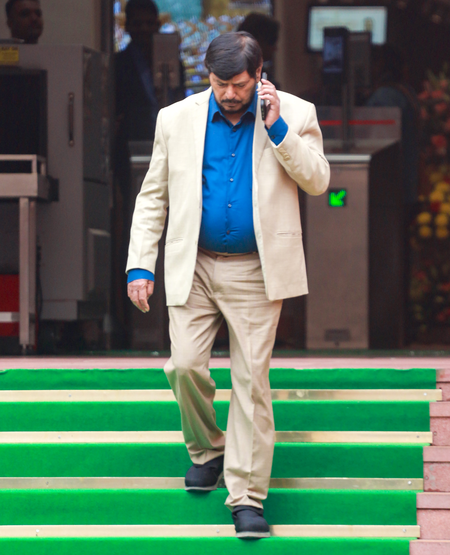
The BJP has revealed its four candidates from Maharashtra for the upcoming Rajya Sabha biennial elections, emphasizing organizational influence and “social engineering.” Among them is Vinod Tawde, the BJP National General Secretary and Bihar incharge, making a return to active parliamentary politics after a hiatus since 2019. Additionally, the party has renominated Ramdas Athawale, the National President of the RPI (Athawale) faction and a current Union Minister of State. The other nominees are Maya Chintaman Ivnate, a tribal leader and former mayor of the Nagpur Municipal Corporation, and Ramrao Wadkute from the Dhangar community in Hingoli district.
Political analysts view the BJP’s candidate selection as a strategic move to appeal to diverse demographics and regions. By choosing these four individuals, the party aims to represent the Maratha, Tribal, OBC, and Dalit communities through social engineering. Furthermore, the BJP has sought to maintain a regional balance by ensuring the candidates come from Vidarbha, Marathwada, and Konkan, securing the party’s influence across various parts of Maharashtra.
In the upcoming Rajya Sabha elections in Maharashtra scheduled for March 16, the NCP has nominated Parth Pawar, the son of late Deputy Chief Minister Ajit Pawar. Meanwhile, Shiv Sena and the Maha Vikas Aghadi are yet to announce their candidates. The BJP appears to be in a strong position, with the elevation of its four nominees highly likely given its current strength. On the other hand, Shiv Sena, NCP, and the Maha Vikas Aghadi are expected to secure one seat each based on their respective strengths in the state Assembly.
The ruling Mahayuti alliance, comprising 233 members including 131 from the BJP, 57 from the Shiv Sena, and 40 from the NCP, is poised to win six seats with the support of smaller parties and independents. In contrast, the Opposition Maha Vikas Aghadi, with 46 members including 20 from Shiv Sena (UBT), 16 from Congress, and 10 from NCP (SP), is likely to secure only one seat.
