


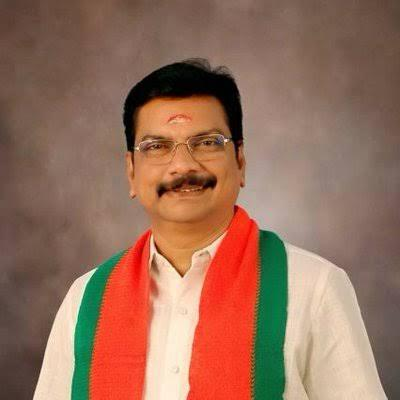
The Tamil Nadu unit of the Bharatiya Janata Party (BJP) criticized the ruling DMK after Chief Minister M.K. Stalin dismissed Prime Minister Narendra Modi’s “double-engine government” approach as a “dummy engine.” BJP spokesperson A.N.S. Prasad accused the DMK of discomfort with the BJP and NDA’s partnership for development between the Centre and the state.
Prasad explained that the “double-engine” concept aims at coordinated governance to boost infrastructure, employment, and welfare. He alleged that the DMK historically prioritized agitation and identity politics over sustained development, especially in areas like transport and infrastructure. The BJP leader further claimed that the ruling party obstructed or delayed projects by opposing reforms and protests, while blaming the Centre for slow progress.
The BJP emphasized that the “double-engine” strategy has yielded positive outcomes in various states, enhancing connectivity, industrial growth, and welfare delivery. They highlighted the importance of a synchronized Centre-state administration for swift scheme implementation, increased investments, and enhanced job opportunities in Tamil Nadu. The party pledged to focus on development, transparent governance, and anti-corruption measures in their campaign, rejecting divisive politics.
Responding to the DMK’s criticism, the BJP stressed that the electorate would determine the preferred governance model. They expressed confidence that voters would support a development-centric agenda. As political tensions rise, the debate between “dummy engine” and “double-engine” is anticipated to play a significant role in the lead-up to the 2026 Tamil Nadu Assembly elections.
