


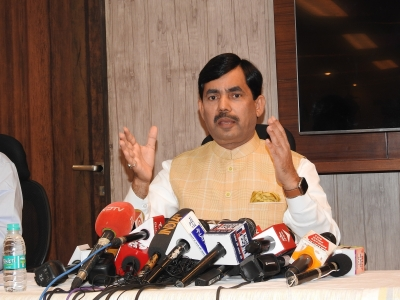
BJP leader Shahnawaz Hussain supported welfare programs for the impoverished, emphasizing the importance of aiding those below the poverty line who struggle to afford basic necessities. He clarified that government assistance is targeted at genuinely needy individuals and not provided as “freebies” to taxpayers or financially stable citizens. This statement followed the Supreme Court’s disapproval of indiscriminate handouts by states, warning against potential negative impacts on national development and financial discipline.
The Supreme Court, during a hearing involving the Tamil Nadu government’s policy of offering free electricity, raised concerns about the trend of short-term political appeasement at the expense of long-term infrastructure growth. The court questioned the wisdom of providing blanket subsidies without distinguishing between those genuinely in need and those who can afford to pay for services. The justices highlighted the importance of fostering a culture that prioritizes sustainable development over populist measures.
In response to the court’s remarks, Samajwadi Party MLA Sachin Yadav emphasized the significance of creating employment opportunities rather than relying solely on subsidies. Yadav stressed the desire of educated youth to secure jobs based on their qualifications and merit, advocating for increased job prospects in both the public and private sectors. The debate sparked by the Supreme Court’s comments has reignited discussions on the efficacy of targeted welfare policies for disadvantaged populations.
