


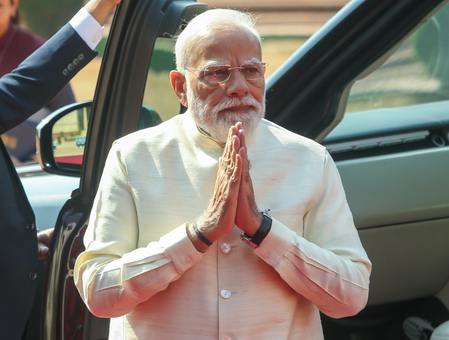
The BJP’s triumph in West Bengal, ousting the 15-year rule of Trinamool Congress, has resolved uncertainties surrounding several centrally-sponsored schemes pending implementation. Prime Minister Narendra Modi’s pledge to enforce these schemes, notably Ayushman Bharat, is now set to materialize. The state’s existing health insurance scheme, Swasthya Sathi, had hindered the full execution of Ayushman Bharat under the previous administration.
Now, with the change in power, schemes like PM Awas Yojana, Jal Jeevan Mission, Matrishakti Bharosa, and Yuva Shakti Bharosa, previously impeded by administrative resistance, are likely to see full-fledged implementation. For instance, under Jal Jeevan Mission, households in West Bengal can expect improved water connections, a project that had faced delays in utilization of allocated funds.
The implementation of Pradhan Mantri Awas Yojana in Bengal, alongside existing schemes like ‘Banglar Bari,’ is poised to benefit a larger segment of the population. Similarly, the Pradhan Mantri Matsya Sampada Yojana, aimed at assisting fishermen with financial aid and modern equipment, is expected to reach more beneficiaries if executed in the state.
Moreover, initiatives like Yuva Shakti Bharosa and Matrishakti Bharosa, offering support to unemployed youth and women from specific income groups, respectively, are set to undergo enhancements in benefits and coverage. The transition in power signals a potential shift towards central schemes, such as Pradhan Mantri Schools for Rising India, which could bring additional financial aid to female students in West Bengal.
The Trinamool Congress government’s resistance to central schemes in the past, citing promotion of state schemes over central welfare measures, is likely to change with the BJP’s governance. The recent political shift, with BJP securing 207 seats in the 294-seat West Bengal Assembly, indicates a significant transformation in the state’s political landscape.
