


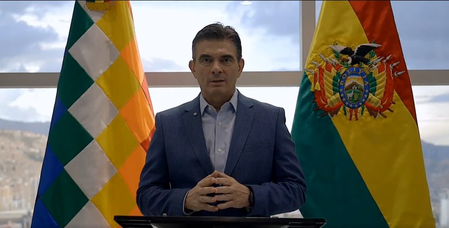
Bolivian President Rodrigo Paz declared a state of emergency to address nationwide blockades disrupting road traffic in the country. These blockades, ongoing since early May, have caused shortages of fuel, food, and medical supplies, impacting economic activities. Paz emphasized the need to end the blockades that hinder people from working, studying, and accessing essential goods and services.
The state of emergency aims to restore normalcy without disrupting daily life, according to President Paz. He highlighted the importance of reopening dialogue with all parties involved in the protests to resolve the situation peacefully. Despite recent agreements with key protest groups, some farmers and indigenous communities continue to maintain road blockades, impeding the return to full transportation normalcy.
President Paz recently enacted a new law, Law 1740, to regulate states of emergency in response to the prolonged social unrest. This law empowers the president to declare a state of emergency in situations threatening state security, internal stability, or due to natural disasters. The legislation, approved by the Plurinational Legislative Assembly, aims to protect citizens, uphold the rule of law, and restore economic stability.
Paz emphasized the importance of dialogue as the primary approach to resolving conflicts but warned against groups engaging in violence or criminal activities. The law governing states of emergency under Bolivia’s Constitution ensures the protection of fundamental rights during such periods and outlines the roles of law enforcement agencies. President Paz assured that the law has strong institutional support and was passed with a qualified majority in the legislative assembly.
