


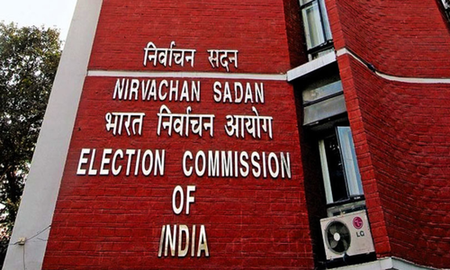
Three districts along the India-Bangladesh border in West Bengal, namely Murshidabad, South 24 Parganas, and North 24 Parganas, have identified a significant number of doubtful voters through ‘progeny mapping’ during the ongoing Special Intensive Revision (SIR). The highest count of around 4.08 lakh doubtful cases was found in Murshidabad, a minority-dominated district bordering India and Bangladesh. Following closely is South 24 Parganas with 3.78 lakh such cases, and North 24 Parganas with over two lakh cases.
The voters identified through progeny mapping are those who were listed with their parents’ names instead of their own in the 2002 voters’ list, the last time SIR was conducted in West Bengal. Special technology revealed cases of weird family-tree data, including individuals missing from the 2002 list despite being of voting age at that time. Other anomalies include voters becoming parents or grandparents at unusually young ages, and instances where parents share the same names.
All individuals flagged as doubtful voters will be called for hearings on claims and objections regarding the draft voters’ list starting from December 27, with a focus on explaining the discrepancies in their data. The first phase will address “unmapped voters” who lack connections to the 2002 list, totaling over 30 lakh individuals. The final voters’ list is scheduled for publication on February 14, 2026, after which the Election Commission of India (ECI) will announce the polling dates for next year’s Assembly elections.
