


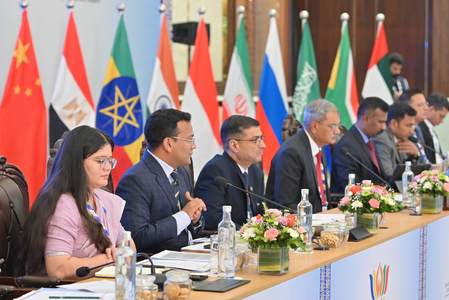
The BRICS nations, including Brazil, China, India, Russia, and others, have adopted the Guwahati Declaration. This declaration reaffirms their commitment to enhancing cooperation in combating illicit drug trafficking and transnational organized crime. The focus is on real-time intelligence sharing, digital technologies, and coordinated law enforcement efforts.
The member countries have pledged to improve the exchange of information, intelligence, and best practices while adhering to national laws and international obligations. They aim to utilize innovative technologies, digital tools, and data-driven approaches to counter drug trafficking effectively. The declaration also addresses concerns about synthetic drugs, New Psychoactive Substances (NPS), precursor chemical diversion, and the misuse of emerging technologies by criminal networks.
Narcotics Control Bureau (NCB) Director General Anurag Garg led the Indian delegation at the BRICS Heads of Anti-Drug Agencies Meeting. Garg emphasized the importance of building a partnership among BRICS anti-drug agencies based on speed, mutual trust, and real-time intelligence sharing. India’s anti-narcotics strategy, under Prime Minister Narendra Modi and Union Home Minister Amit Shah, adopts a zero-tolerance policy against drugs and focuses on dismantling criminal networks through awareness campaigns and rehabilitation efforts.
Delegates from various countries discussed challenges such as darknet-enabled trafficking, digital drug networks, precursor chemical diversion, and strengthening global supply chains against chemical leakage. The BRICS nations highlighted the need for specialized initiatives to reduce drug demand, promote healthy lifestyles, and protect vulnerable groups, especially children and youth. India’s BRICS Chairship in 2026 is centered around the theme “Building for Resilience, Innovation, Cooperation, and Sustainability.”
