


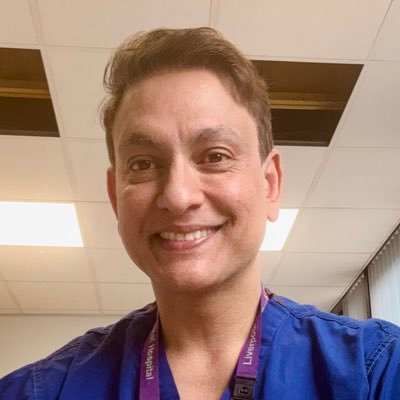
Britain-based cardiologist and electrophysiologist Prof Dhiraj Gupta is currently in India conducting complex atrial fibrillation (AF) procedures and providing training to local cardiologists during live cases. Prof Gupta initiated the program at the Postgraduate Institute of Medical Education and Research in Chandigarh and recently completed an AF ablation workshop in Ahmedabad. He is now in Mumbai performing advanced electrophysiology procedures at Lilavati Hospital and Research Centre without any charges to patients or the hospital.
This initiative represents a departure from traditional practices, as procedures that are often unavailable or costly in India are now being conducted at low or no cost. Local specialists are also being trained to independently perform these procedures. Prof Gupta emphasized the importance of structured training alongside live cases, particularly in treating atrial fibrillation, a common heart rhythm disorder affecting millions of people.
Unlike typical visiting-surgeon programs, local cardiologists actively participate in the procedures, gaining hands-on experience in advanced AF ablation techniques. The program will soon move to Pune for an advanced electrophysiology workshop at Deenanath Mangeshkar Hospital and Research Centre, continuing the model of live procedures combined with intensive training.
Prof Gupta, a consultant at Liverpool Heart and Chest Hospital, is well-known internationally for his expertise in complex AF ablation and left atrial appendage occlusion, having led various catheter ablation research trials. Medical experts have highlighted the immediate benefits of this program, where patients who may struggle to afford such procedures can now access advanced treatment for free or at a reduced cost, while Indian doctors are being equipped to continue this specialized care independently.
With atrial fibrillation being a significant cause of stroke and often underdiagnosed in India, experts believe that this improved access to treatment and knowledge transfer could lead to better long-term outcomes for patients.
