


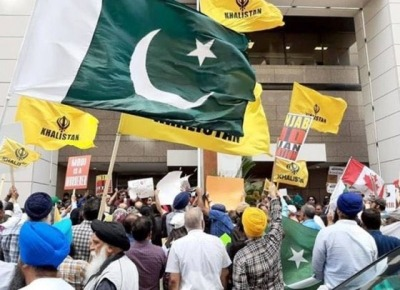
The Canadian Security Intelligence Service (CSIS) has officially recognized that Khalistani extremists based in Canada were behind the 1985 Air India Flight 182 ‘Kanishka’ bombing, which tragically claimed the lives of all 329 individuals on board. This acknowledgment, detailed in a report by ‘Khalsa Vox,’ aligns with India’s longstanding assertion that the terrorist attack was orchestrated by extremists with a violent separatist agenda operating from Canadian soil.
On the anniversary of the Air India Flight 182 Kanishka bombing, CSIS explicitly identified Canada-based Khalistani extremists as the perpetrators responsible for planting the bomb that resulted in the deaths of 329 people on board, including 268 Canadian citizens, many of whom were of Indian descent. A statement from CSIS on the National Day of Remembrance for Victims of Terrorism highlighted the devastating impact of the bombing, emphasizing its status as Canada’s deadliest terrorist attack and a pivotal moment for national security.
According to the report by Khalsa Vox, successive Canadian administrations allowed Khalistani extremist groups to function relatively unchecked, citing free speech and multiculturalism as justifications. The report noted instances of funding support, extremist rallies, and intelligence oversights that facilitated the plot, with criticisms directed at CSIS for surveillance failures and mishandling of evidence. The families of the victims endured years of waiting for accountability as key suspects, including Talwinder Singh Parmar, evaded justice.
The timing of this acknowledgment is significant, coinciding with increased scrutiny of Khalistani networks in Canada, which pose threats not only to India-Canada relations but also to Canada’s own security. The report highlighted Canadian intelligence findings that have flagged these groups as “national security threats,” pointing to their exploitation of democratic institutions and diversion of community funds to advance extremist goals. It emphasized the strain on bilateral relations between India and Canada, underscoring the need for decisive action to address these challenges.
