


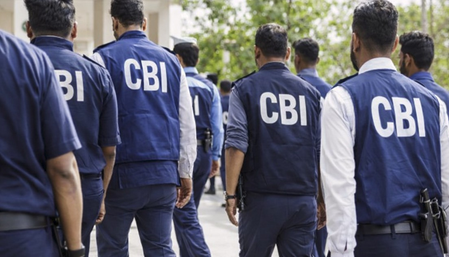
The Central Bureau of Investigation (CBI) has filed two separate charge sheets against nine individuals, which include government officials and IDFC Bank staff. These charges are related to the misappropriation of funds belonging to the Haryana government and Chandigarh Smart City Limited (CSCL). The illegal bank transactions in the Haryana government case resulted in a total loss of Rs 504 crore, while in the Chandigarh Union Territory case, the loss amounted to Rs 153 crore. More charge sheets are anticipated to be submitted in these cases in the future.
The offenses mentioned in the charge sheets encompass criminal conspiracy, criminal breach of trust, forgery, cheating, and violations under the Prevention of Corruption Act. The charge sheet concerning the Haryana government case was presented before the CBI Special Judge in Panchkula. It involves two accused, both private individuals who received proceeds of crime. This marks the second charge sheet in the Haryana government case, with a total of 15 accused already charged, including government servants, bankers, companies, and private individuals.
In the case related to CSCL, the charge sheet was filed before the CBI Special Judge in Chandigarh. Seven individuals, including five bank officials, one CSCL official, and one private person, have been charged. This is the initial charge sheet in this particular case. The CBI took over one case from the Haryana State Vigilance and Anti-Corruption Bureau concerning eight departments, as well as two cases from the Economic Offences Police Station in Chandigarh, pertaining to Chandigarh Smart City Limited and CREST Chandigarh.
Last week, the CBI conducted searches at six locations in Chandigarh, Panchkula, and the Delhi-National Capital Region in connection with these cases. The searches included the residential properties of public servants from the Haryana cadre and Vipam Consultancy Private Limited along with its Director. The actions were taken due to irregularities committed and the receipt of proceeds of crime. The investigation revealed collusion between public servants and bank officials, leading to the opening of accounts, fund transfers, and subsequent diversions.
