


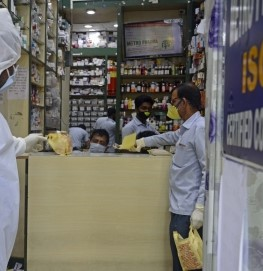
Chemists nationwide are set to go on strike to oppose the increasing trend of medicine sales through online platforms. The strike, organized by the All India Organisation of Chemists and Druggists (AIOCD), is likely to impact over 1.24 million private medical stores, leading to disruptions in medicine supply. The chemists’ associations are concerned about the lack of regulatory oversight on various e-pharmacy platforms, alleging that prescriptions are not adequately verified and that storage and delivery norms are not strictly adhered to, posing risks to patient safety and quality control.
The protesting groups have expressed fears that the proliferation of online medicine sales could result in the rise of counterfeit drugs, misuse of medications, and unauthorized sales of prescription drugs. Pharmacists have highlighted issues such as the easy availability of narcotics and Schedule H drugs online without proper checks, contributing to misuse and societal harm. Traditional chemists, operating under stringent provisions of the Drugs and Cosmetics Act, stress the importance of prescription verification and controlled medicine dispensing, which they claim are lacking in e-pharmacies.
Ravi Kumar from the Bihar Chemists and Druggists Association emphasized the need for uniform regulations governing both online and offline pharmacies to safeguard patient well-being. President of the Bihar Chemists and Druggists Association, Prasanna Kumar Singh, pointed out that certain medicines require temperature-controlled storage, a requirement often compromised during online delivery through courier services. Such lapses can potentially reduce the effectiveness of medicines and pose risks to patients.
Meanwhile, the Pradhan Mantri Bhartiya Janaushadhi Pariyojana (PMBJP) Kendras will remain operational to ensure continuous access to medicines. The PMBJK Retailer Association has confirmed that Jan Aushadhi Kendras will continue functioning, especially at prominent hospitals like AIIMS and Patna Medical College and Hospital, to prevent inconvenience to patients.
