


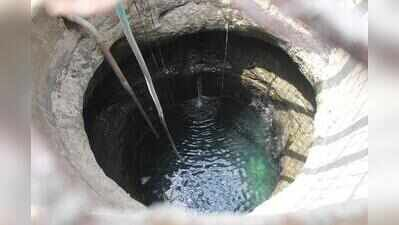
Chennai witnessed a significant drop in its groundwater table in June due to a prolonged dry period, sparking concerns about water availability in suburban areas relying heavily on bore wells for daily use. Data from Chennai Metrowater revealed a 0.47-meter decrease in the city’s average groundwater level from May to June. Across 15 monitored locations, the average depth fell from 5.66 meters in May to 6.13 meters in June, indicating widespread depletion.
The majority of the monitored locations, 13 out of 15, experienced a decline in groundwater levels during the month, with only Teynampet and Valasaravakkam showing slight improvements. The rest of the areas saw varying degrees of depletion. Comparing to June 2025, this year’s groundwater level is notably lower, as last year’s better rainfall helped recharge underground water reserves, unlike the weak southwest monsoon this year.
Experts attribute the decline to the lack of substantial rainfall in June and early July, crucial for sustaining groundwater reserves in Chennai. The prolonged dry weather has prevented aquifers from being adequately replenished, resulting in a continuous drop in the water table. Suburban neighborhoods heavily reliant on groundwater, such as Ambattur, Porur, and Tambaram, have reported decreasing bore well yields, leading to a surge in demand for new bore wells.
The situation is relatively better in Chennai’s core areas, where the extensive piped water supply network of Chennai Metrowater reduces dependence on private bore wells. However, with the southwest monsoon yet to bring significant rainfall, experts warn of further deterioration in groundwater levels in the upcoming weeks. Without substantial and sustained showers, water stress is likely to worsen, especially in fast-growing suburban regions heavily dependent on groundwater.
