


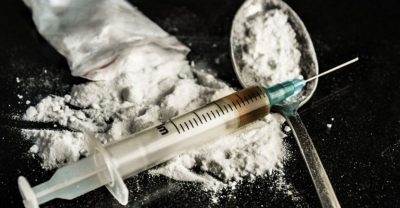
China has become the primary source of precursor chemicals and technical inputs crucial for the production of synthetic narcotic drugs in Southeast Asia, particularly in the Golden Triangle region. The country’s chemical industry manufactures a large portion of the world’s active pharmaceutical ingredients and industrial precursors, many of which have legitimate uses but can be repurposed for drug production with minor modifications, as per a report by Ratish Mehta in the International Business Times.
Reports and investigations have revealed that Chinese chemical suppliers knowingly supply fentanyl and methamphetamine precursors to criminal networks abroad. The US Department of Justice has prosecuted Chinese individuals and companies for trafficking fentanyl precursors, highlighting organized practices involving encrypted communications, mislabelled shipments, and cryptocurrency payments.
Despite China denying state involvement, suppliers have adapted by switching to uncontrolled precursors or chemically similar compounds. This indicates a regulatory environment that prioritizes export volume and industrial flexibility over preventing harm proactively, according to the report.
The Golden Triangle region, with its armed protection, weak governance, and proximity to Chinese supply routes, has seen a rise in drug production. The involvement of Chinese nationals as financiers, chemical experts, and logistical coordinators in drug-related arrests across Thailand, Laos, and Myanmar has also increased, indicating a transnational continuity in the drug supply chain.
The governance model in China allows economic expansion to outpace regulatory coordination, leading to a proxy system where illicit production is tolerated as long as it remains offshore and politically deniable, the report notes.
