


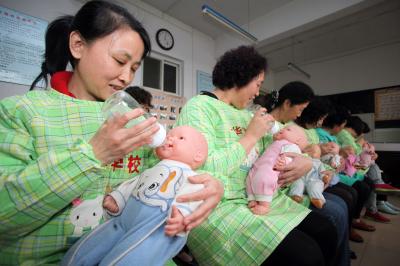
China continues to face challenges in boosting its population even after abolishing the one-child policy that was in place for over three decades. The policy, implemented in 1980 to control population growth, was lifted in 2016 due to demographic concerns. Despite efforts to encourage more births, China’s population declined between 2022 and 2024, with over 20% of its 1.4 billion people now being over 60 years old.
President Xi Jinping has emphasized the importance of “population security” and prioritized the development of a high-quality population. However, experts and the public are calling for additional policies and incentives to support childbirth and marriage, addressing issues like youth unemployment and the high cost of raising children. There are concerns that the current efforts may not be sufficient to address the underlying challenges.
The one-child policy’s legacy includes a gender imbalance, a generation of only children responsible for elderly care, and a weak social safety net. China has now introduced pro-natalist measures, promoting marriage and birth for heterosexual couples as vital for the nation’s future. Incentives such as tax breaks, financial aid for housing, and extended maternity leave support have been implemented to encourage more births.
Analysts warn that the economic repercussions of a shrinking workforce, an aging population, and the costs associated with elderly care could be significant. The effectiveness of current policies in addressing the root causes of low birth rates and weak social support systems remains a subject of debate among experts and policymakers.
