


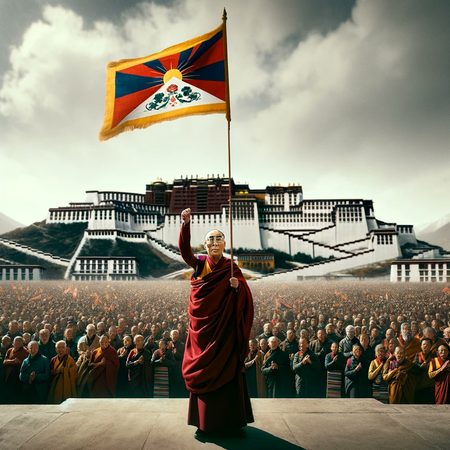
Tibetans globally mark the 67th anniversary of the Lhasa uprising, while China persists in its efforts to dominate Tibetan land and culture. The 1959 rebellion symbolized Tibetans’ defense of their heritage and beliefs against Chinese forces. Despite Beijing’s control tactics, the Tibetan spirit remains resilient, rooted in faith, philosophy, and collective memory.
China’s approach extends beyond physical occupation to reshape Tibetan identity by altering history, controlling monasteries, and undermining ties to the Dalai Lama. Despite censorship and restrictions, Tibetans uphold their identity through enduring faith, Buddhist teachings, and oral traditions. Each year on March 10, Tibetans worldwide unite to oppose Chinese repression and assert their cultural heritage and dignity.
The Tibetan diaspora and allies use this day to raise awareness about their ongoing struggle against Chinese oppression. Beijing’s attempts to enforce conformity only strengthen Tibetan resolve to preserve their distinct identity. Tibetans view March 10 as a day of remembrance and resistance, emphasizing that while physical freedom may be limited, their minds remain steadfastly free.
China’s decades-long struggle to control Tibet highlights the futility of suppressing the human spirit. Tibetans endure by cherishing their identity through memory, practice, and faith, recognizing that true identity transcends external control. The annual commemoration of March 10 signifies Tibetans’ unwavering commitment to preserving their cultural legacy despite Beijing’s efforts to assert dominance.
