


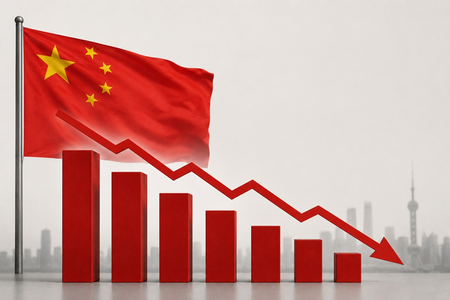
China’s economy is experiencing a slowdown in growth momentum due to weak domestic demand and an aging population, as per a recent report. The country has maintained around 5% expansion in 2025 and early 2026, indicating underlying structural issues despite this growth rate. This marks a significant decline from the double-digit growth rates seen in the past and the 6–8% range of the previous decade.
The report highlighted concerns over weak household spending, which is hindering robust economic growth. Notably, people are not spending enough to drive a strong economic expansion. Additionally, external demand is also facing challenges, with exports slowing down due to global uncertainties, geopolitical tensions, and increased trade barriers.
China’s economic growth between 2012 and 2017 was supported by strong consumption, robust investment, and stable trade. However, since 2017, GDP growth has weakened as domestic demand softened and export contributions decreased. The country’s changing demographic profile, characterized by an aging and shrinking population, is further complicating the economic landscape.
With a shrinking workforce and slowing productivity gains, China is heavily reliant on productivity improvements for future growth. Yet, productivity enhancements have decelerated in recent years, raising concerns about the sustainability of future economic expansion. Moreover, investment has shown signs of decline, with fixed investment turning negative in 2025 due to weakened business sentiment and structural adjustments within the economy.
China’s export sector is also facing challenges from shifting global supply chains, with some manufacturing activities relocating to alternative destinations in Southeast Asia. The country’s export competitiveness has been further impacted by higher tariffs and trade restrictions, particularly from the US. The report emphasizes that China’s growth prospects will hinge on its ability to enhance productivity and counteract the effects of a shrinking workforce.
