


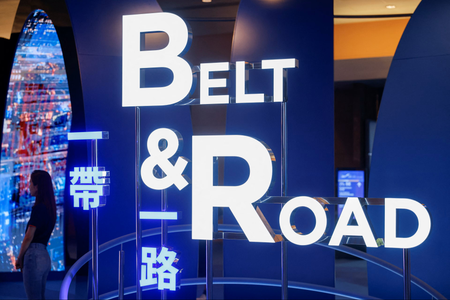
China’s efforts to expand its geopolitical influence through economic projects like the Belt and Road Initiative have hit obstacles in Latin America, as reported by The Diplomat. Despite its strong economic presence in the region, questions arise about the level of geopolitical influence China has achieved. Recent developments in Latin America have raised doubts about the strategic returns on China’s investments.
Over the past two decades, China’s economic strategy in Latin America has seen some success, with several countries switching diplomatic recognition from Taiwan to China. However, the long-term geopolitical impact of China’s economic expansion in the region is now being scrutinized. While China’s economic ties with Latin American countries remain significant, the expected geopolitical influence may not have materialized as anticipated.
China’s diplomatic victories in Latin America, such as Panama’s decision to establish relations with Beijing, were seen as signs of increasing Chinese influence in a region historically dominated by the United States. Yet, the durability of these diplomatic achievements is now being questioned. Despite maintaining substantial economic ties with countries like Venezuela, China faces a shifting political landscape that could impact its influence in the region.
The evolving political dynamics in Latin America, particularly in countries like Venezuela, where new leadership and changing alliances are reshaping the strategic environment, pose challenges to China’s continued influence. As the region navigates geopolitical shifts and external pressures, the future of China’s presence and impact in Latin America remains uncertain.
