


China’s increasing investments in Spain’s port infrastructure have raised concerns among the European Union and security analysts. The investments near sensitive military facilities could have strategic, intelligence, or security implications. Beijing’s focus on Spanish logistics hubs and industrial projects, including a planned factory by Chinese auto giant SAIC near the Ferrol naval base in northwestern Spain, has sparked intense debate.
The Port of Ferrol, where one of the SAIC industrial complexes will be built, is strategically significant due to its proximity to Spanish Navy headquarters, Navantia shipbuilding company, and NATO operations in the Atlantic region. The investment, amounting to around 200 million euros, is seen as an opportunity for economic growth and job creation by local authorities. However, experts caution that the location’s strategic nature makes it distinct from regular foreign investments.
Specialists highlight the sensitivity of Ferrol as a strategic zone, emphasizing its naval infrastructure, military operations, and NATO connections. Concerns are raised about potential vulnerabilities at port terminals during international crises or geopolitical tensions. To assess the influence of third countries on port operations, the European Commission is developing new guidelines under its EU Ports Strategy, aiming to prevent excessive foreign ownership or control of critical port infrastructure.
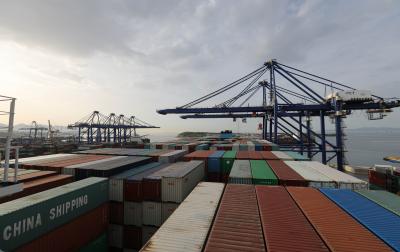
Spanish media reports suggest that SAIC is evaluating the port’s infrastructure by sending a logistics vessel in July. The presence of state-backed Chinese companies in Spain’s port sector, exemplified by COSCO’s acquisitions, has added to the concerns. COSCO, a Chinese shipping giant, acquired a majority stake in a container terminal operator in 2017 and expanded its operations to Tarragona. The EU transport ministers have welcomed the initiative to regulate foreign influence on port operations, emphasizing the importance of safeguarding critical port infrastructure.
