


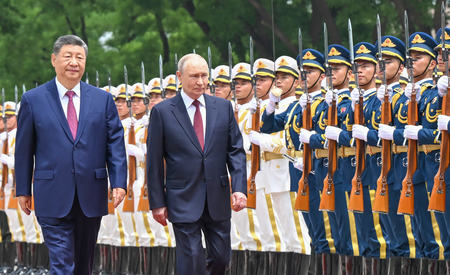
China strategically evaluates global conflicts to determine their utility or risks. Ukraine is considered beneficial as it diverts Western focus and bolsters Russia’s reliance. Conversely, tensions in the Strait of Hormuz and North Korea’s alignment with Russia are seen as perilous due to energy security implications and China’s core interests.
Italian political advisor Sergio Restelli highlighted China’s diplomatic signals, emphasizing its desire for recognition as a key player in global affairs. China aims for stability, leverage, and dependency, rather than chaos or escalation. The nation seeks to maintain the status quo in its favor without disrupting the existing order.
At a recent summit between Trump and Xi, Taiwan emerged as a contentious issue. Xi cautioned that mishandling the matter could lead to conflict with the US. Despite this, Xi stressed the importance of maintaining a positive US-China relationship, indicating China’s stance on asserting boundaries while avoiding systemic ruptures.
Restelli underscored China’s significant role in Iran’s oil trade and Gulf energy consumption. China aims to avoid US dominance in the Gulf region and prevent disruptions in crucial energy supplies. The strategic calculus may drive China towards a compromise involving Ukraine, the Strait of Hormuz, North Korea, and managing US relations through trade.
This strategic approach does not signify a new world order but reflects China’s historical practice of stabilizing borders, maintaining influence, and promoting peace through power dynamics.
