


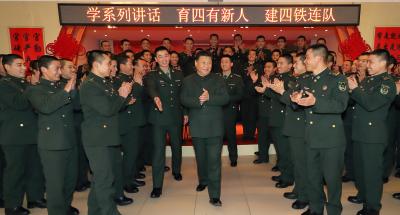
The effectiveness of Chinese President Xi Jinping’s anti-corruption efforts is questioned due to the deeply ingrained corruption within the one-party system, as reported by Myanmar’s media outlet ‘Mizzima News’. High-ranking officials like Zhou Yongkang and Bo Xilai were not ousted for corruption but for posing a threat to Xi’s authority consolidation. Recent investigations involving General Zhang Youxia and others have significantly reshaped the Central Military Commission, raising concerns about the campaign’s underlying motives.
Xi’s anti-corruption campaign, spanning since 2012, has resulted in the scrutiny and punishment of over six million party members. The crackdown intensified in 2024, with a notable increase in investigations and cases opened. Despite Xi’s emphasis on continuing the fight against corruption during the Fifth Plenum of the CCDI, critics argue that the campaign now serves as a tool for elite control rather than genuine reform.
The removal of Zhang Youxia, a close confidant of Xi, highlights the erosion of trust within the system despite years of purges and investigations. This development signifies a growing sense of insecurity and lack of reliable allies within the Chinese political landscape, suggesting deeper systemic issues beyond surface-level corruption eradication efforts.
