


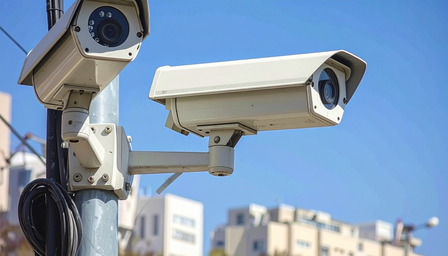
Driven by investments from the Belt and Road Initiative (BRI) and enhanced security ties, the Nepali government’s increased reliance on Chinese surveillance technology has led to heightened monitoring of Tibetan refugees, posing a significant challenge, as per a report. Surveillance cameras, predominantly of Chinese origin, have been strategically placed in areas with a significant Tibetan population, including monasteries and cultural hubs, allowing real-time tracking of gatherings and activities. Concerns arise over the potential sharing of data with Chinese security agencies, raising alarms about privacy and freedom violations beyond borders.
The report highlights broader implications of this surveillance infrastructure, emphasizing its potential misuse beyond monitoring Tibetan communities. It points out that the same technology used for public security purposes can easily be repurposed to surveil political dissidents, activists, and journalists, raising serious privacy concerns. With Nepal lacking strong data protection laws and oversight mechanisms, the surveillance operates with minimal accountability, paving the way for potential misuse.
Notably, Chinese tech companies, closely tied to the state, lack the independence seen in democratic systems, amplifying concerns over data privacy and misuse. Despite some countries like the US restricting Chinese tech firms like Huawei, many developing nations, attracted by affordability and infrastructure support from the Belt and Road Initiative, continue to adopt Chinese technology. The global response to Chinese surveillance exports has been inconsistent, with a need for more comprehensive measures to address the growing threat posed by such technologies.
