


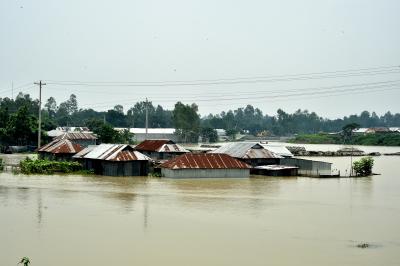
Tidal surges, cyclones, river erosion, and rising salinity are wreaking havoc on homes in Bangladesh’s coastal delta, leading thousands to flee to cities. However, these migrants face challenges like unsafe housing, temporary jobs, and limited access to healthcare and education. Experts warn that internal displacement due to climate change is a major social and developmental issue in Bangladesh.
A recent roundtable discussion emphasized the need for effective policies to protect climate migrants. Bangladesh, highly vulnerable to climate impacts, is experiencing sea-level rise, cyclones, river erosion, and salinity expansion, threatening millions. The rural economy is suffering, pushing a significant population towards urban areas.
Journalists and development workers highlighted the humanitarian aspects of the migrant crisis. Renowned journalist Sohrab Hasan noted the profound challenges faced by displaced individuals, emphasizing that migration is often a survival necessity. Climate migrants in cities encounter obstacles accessing social safety nets and public services due to bureaucratic hurdles and discrimination.
Alexander Tripura from Caritas Bangladesh’s Disaster Management Department attributed Bangladesh’s vulnerability to unchecked carbon emissions. Experts called for treating climate migrants as an issue of international climate justice and urged the government to implement a comprehensive national policy to address the crisis.
