


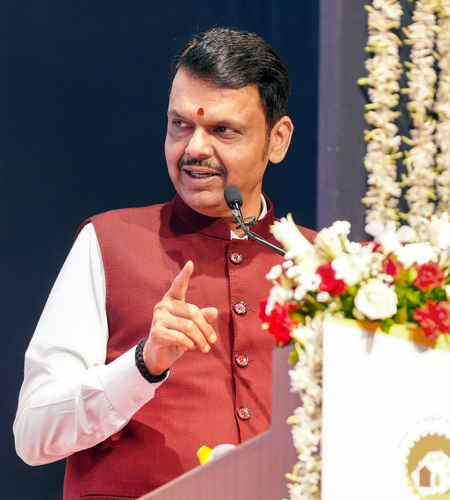
In a move to address real estate challenges in Mumbai’s western suburbs, Chief Minister Devendra Fadnavis has instructed administrative bodies to expedite the redevelopment of dilapidated structures affected by aviation and defence security regulations. The focus is on areas like Santacruz, Vile Parle, Kurla, and the safety perimeters around the Juhu Military Transmitter Station. Height restrictions in these zones have hindered redevelopment efforts, prompting the introduction of a new “potential FSI” model by the CM to make projects financially viable.
This innovative approach involves utilizing the unconsumed Floor Space Index (FSI) or Transferable Development Rights (TDR) from restricted plots in other areas with less stringent height limits. The state is considering an integration policy similar to road-widening rules, enabling developers to combine FSI from restricted buildings with projects on adjacent plots to overcome development hurdles. Allocation of higher FSI will be based on the width of surrounding roads to facilitate smoother construction processes.
Furthermore, CM Fadnavis emphasized the need for a structural overhaul in how Mumbai’s housing agencies function. The Urban Development Department is set to become the central regulatory authority to streamline housing enforcement activities currently managed independently by agencies like the Slum Rehabilitation Authority (SRA), MHADA, and CIDCO. The BMC will conduct a comprehensive mapping exercise of buildings within the airport’s funnel zone, while efforts are underway to address defence restrictions near the Juhu facility to alleviate housing challenges faced by numerous residents.
The meeting concluded with a clear directive for municipal and state officials to implement these guidelines promptly to meet upcoming civic planning deadlines.
