


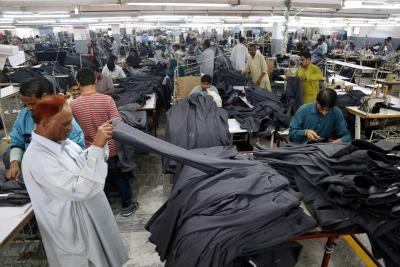
Once thriving industrial centers in India, Coimbatore and Tirupur are currently facing significant challenges due to steep tariff increases imposed by the United States. These tariff hikes have led to a substantial impact on jobs and exports in the region. Industry sources reveal that over two lakh jobs have been lost in the textile and engineering sectors, with the total number of affected individuals exceeding three lakh when considering allied industries like castings and pumps.
The adverse effects of these tariffs are evident through factory closures, reduced work shifts, and dwindling order volumes, especially affecting small and medium exporters. The decline in exports is also notable, with annual textile exports to the US market from Coimbatore and Tirupur dropping from $1.7 billion to nearly half that amount, according to industry experts. If the current 50% tariff on Indian products persists, textile exports to the US could potentially dwindle to negligible levels within a year.
Exporters are facing multiple challenges beyond the headline tariff, including additional standard duties that inflate the final cost of Indian goods in the US market. This cost disparity puts Indian exports at a significant disadvantage compared to competitors like China and Bangladesh, who enjoy a cost advantage of approximately 30% on delivered duty paid terms. The situation has been further complicated by discussions of imposing a 500% tariff on countries continuing to purchase Russian oil, raising concerns among industry leaders about the sustainability of exports to the US.
Amidst this uncertainty, exporters are advocating for a shift towards alternative markets such as the European Union and the UK to mitigate risks associated with the US market. Diversification has become crucial for the survival of the export-oriented industries in Coimbatore and Tirupur as they navigate through escalating global trade tensions, which are casting a shadow over the future of the region’s industrial workforce.
