


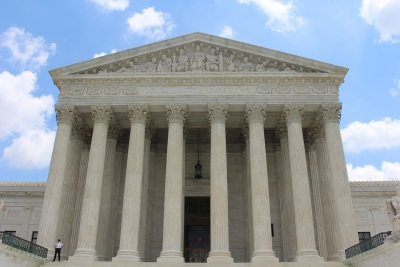
Countries like India, the UK, EU, and Japan, which had trade deals with President Trump, will experience a temporary 10% tariff due to a Supreme Court decision limiting emergency tariff powers. The White House clarified that these countries will now face a global 10% tariff under a different legal authority.
The White House emphasized that this change is temporary and assured that they are seeking alternative legal authorities for more appropriate tariff rates. Despite the shift in legal authority, the substance of negotiated trade commitments remains unchanged.
President Trump expressed disappointment over the Supreme Court ruling and thanked Justices who dissented. He criticized the majority’s decision, alleging influence from external factors. Trump highlighted that while the IEEPA tariffs were struck down, other trade authorities remain intact and potentially stronger.
Ambassador Jamieson Greer stated that the Supreme Court’s decision impacts a part of the Administration’s efforts to benefit American workers and businesses through trade reorientation. He defended Trump’s use of IEEPA as necessary, citing progress in reducing the trade deficit in goods.
To ensure continuity, the administration announced measures such as imposing a temporary 10% surcharge, initiating new investigations, and maintaining existing tariffs tied to national security. Greer clarified that the ruling only affects specific tariffs and that extensive tariffs under other authorities remain in place.
The temporary import duty, effective from February 24, aims to address international payment issues and rebalance trade relationships. Certain goods will be exempt from this duty, including critical minerals, pharmaceuticals, and passenger vehicles. The administration expects trade partners to uphold their agreements despite the change in legal authority.
