


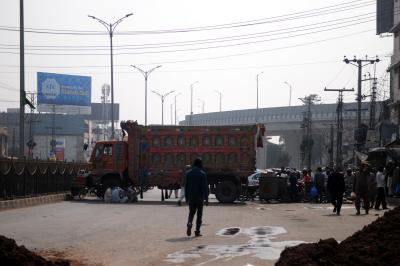
Turmoil has engulfed Pakistan-occupied Kashmir (PoK), leading to a standstill in daily life due to ongoing deadly unrest. The region faces a severe crisis as clashes between local authorities and the banned Joint Awami Action Committee (JAAC) escalate. The unrest began with a strike on June 9 against the reservation of 12 seats in the upcoming July 27 polls.
The situation quickly worsened, resulting in at least 20 civilian deaths and numerous injuries between June 6 and 14. Four officers were killed, 97 were wounded, and 515 arrests were made, as confirmed by regional police chief Liaqat Ali Malik. Supporters of JAAC have gathered near Rawalakot, prompting authorities to seal roads, suspend internet services, and restrict media access in PoK.
The economic impact of the unrest is severe, with laborers in Muzaffarabad’s commercial district facing unemployment. Many businesses remain closed, although some medical and grocery stores have cautiously reopened for limited hours. Banking operations, ATMs, and fuel stations are also affected by the government’s internet blackout.
Blue-collar workers are hit hard by the crisis, with many struggling to make ends meet. The brutal actions by Pakistani authorities on protestors in PoK have drawn condemnation, with reports of deaths and injuries among demonstrators. British MP Bob Blackman criticized the crackdown, highlighting the plight of those demanding basic rights in the region.
