


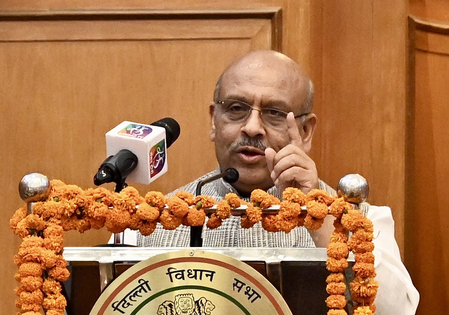
Delhi Assembly Speaker Vijender Gupta highlighted the significant role of Bhagwan Shri Birsa Munda in India’s history during a National Seminar. Known as Dharti Aaba, Munda symbolized self-respect, cultural identity, and social awakening, beyond being a freedom fighter.
Gupta emphasized the inseparable connection between protecting rights and preserving culture, as showcased by Munda’s legacy. The seminar, organized by the Museums Association of India, aimed to explore Munda’s enduring impact on tribal culture and the importance of museums in safeguarding tribal heritage.
The Speaker praised Munda’s movement for not only resisting colonial rule but also safeguarding cultural identity and traditional practices. He stressed the significance of restoring tribal communities’ confidence in their history, knowledge, and cultural values, underscoring the intrinsic link between rights protection and cultural preservation.
Gupta acknowledged the rich tribal heritage of India, encompassing oral literature, folk traditions, music, art, and ecological knowledge. He highlighted the vital role of tribal communities as custodians of forests and sustainable living practices, particularly relevant in today’s era of environmental challenges and technological advancements.
Despite the historical contributions of tribal communities, Gupta noted the inadequate representation of their histories and struggles in mainstream narratives. He welcomed initiatives to honor tribal freedom fighters, celebrate Janjatiya Gaurav Diwas, and document tribal heritage as crucial steps towards fostering a more inclusive understanding of India’s past.
