


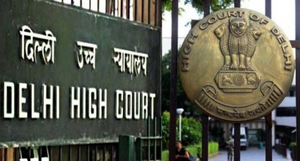
The Delhi High Court rejected a plea by Economically Weaker Sections (EWS) candidates seeking age relaxation and extra attempts in the Civil Services Examination, similar to SC, ST, and OBC candidates. The court upheld the Centre’s decision, stating it was not arbitrary or unconstitutional and beyond judicial review. The petitioners challenged the denial of relaxations to EWS candidates, citing violation of constitutional articles.
The Division Bench of Justices Anil Kshetrapal and Amit Mahajan dismissed the plea, emphasizing that decisions on age and attempt relaxations fall under executive and legislative policy formulation. The court clarified that its role is not to make laws but to ensure policies do not violate fundamental rights. It highlighted the distinct nature of EWS category compared to SC/ST/OBC categories.
According to the judgment, while SC, ST, and OBC categories face historical discrimination, EWS category’s challenges stem from financial constraints, not social stigma. The court ruled that EWS candidates cannot automatically claim parity with SC/ST/OBC candidates in relaxations. It also noted that individual states’ policies cannot be equated with the Union’s decisions, as service conditions fall under respective recruiting authorities’ jurisdiction.
The Delhi High Court, citing lack of constitutional or statutory violations, declined to intervene in the existing policy framework. The court stated that the policy decision was not subject to judicial review and dismissed the petition, as similar pleas had been rejected earlier by other high courts.
