


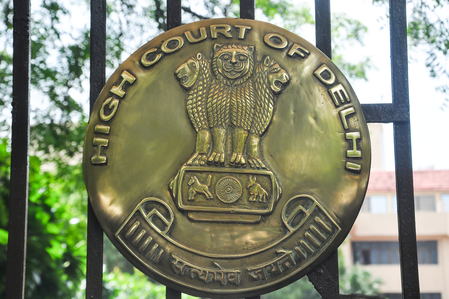
The Delhi High Court has granted regular bail to an accused under the Narcotic Drugs and Psychotropic Substances (NDPS) Act due to the investigating agency’s failure to provide written grounds of arrest, violating constitutional safeguards. Justice Anup Jairam Bhambhani emphasized that informing an arrestee about the grounds of arrest is a crucial safeguard of personal liberty, not a mere formality. The accused, Brijesh Kothia, sought bail in connection with an FIR by the Delhi Police Special Cell involving narcotic substances, criminal conspiracy, and illicit traffic financing.
The prosecution alleged various offenses, but the applicant argued that he was never given the written grounds of arrest, as mandated by Article 22(1) of the Constitution. The Delhi Police contended that there was no immediate requirement for written grounds at the time of arrest, citing a Supreme Court decision. However, the court ruled that the arrest memo only contained generic reasons and lacked personalized grounds specific to the accused, violating constitutional requirements.
The court highlighted that the failure to provide written grounds of arrest caused prejudice to the accused by hindering his ability to instruct counsel and oppose remand proceedings. Despite granting bail, the court clarified that the investigation and trial would remain valid, allowing the investigating agency to take lawful steps. Kothia was directed to furnish a personal bond, surrender his passport, cooperate with the investigation, and refrain from influencing witnesses.
