


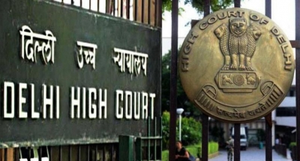
The Delhi High Court emphasized that delays in legal proceedings should not harm the claimant, ruling that interim maintenance under Section 125 of the Code of Criminal Procedure should start from the application filing date. Justice Swarana Kanta Sharma modified a Family Court order, directing maintenance payment from the petition filing date rather than the court’s order date. The court stated that the Family Court’s failure to justify denying maintenance for almost three years was questionable.
The court allowed the wife and daughters’ revision petition, highlighting the lack of reasons for the prolonged delay in granting maintenance. The wife, in her petition, alleged neglect by her husband despite his financial capacity to support them. The Family Court’s decision to delay maintenance until 2019 was challenged, arguing that maintenance should have commenced from the application filing date.
Referring to the Supreme Court’s ruling in Rajnesh v. Neha, the Delhi High Court stressed that maintenance delays should not disadvantage dependents. The court noted that maintenance proceedings often face systemic delays, emphasizing that claimants should not suffer due to such delays. Justice Sharma modified the order to make maintenance payable from the petition filing date, rejecting the wife’s plea for increased maintenance.
The court clarified that the wife could seek maintenance modification under Section 127 of the CrPC if needed, while adjusting previously paid amounts. The ruling aimed to ensure that maintenance serves its intended purpose of preventing destitution and vagrancy without undue delays.
