


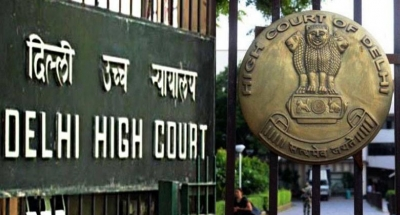
The Delhi High Court has emphasized that employers have the authority to suspend employees facing sexual harassment allegations. However, universities and colleges cannot form separate fact-finding committees outside the legal framework established by the Sexual Harassment of Women at Workplace Act, 2013. This ruling stemmed from a case involving Prof Rasal Singh, Principal of Ramanujan College, who contested his suspension and the formation of an ad hoc committee by Delhi University.
Setting aside the suspension order against Prof Singh, the court deemed the language used in the order as “stigmatic” and legally unsustainable. While affirming the employer’s power to suspend pending inquiry, the court highlighted that the suspension order in this case was inappropriate. The court clarified that despite the Act not explicitly allowing suspension, employers can still exercise this right based on existing service rules.
The judgment also criticized Delhi University for establishing a fact-finding committee before involving the Internal Complaints Committee (ICC), stating that such actions are beyond the Act’s provisions. The court stressed that the Act provides a comprehensive mechanism for handling sexual harassment complaints, and parallel committees could undermine its purpose. It warned against compromising confidentiality, procedural fairness, and natural justice through unauthorized investigations.
The court found fault with the suspension order’s language, which prematurely labeled the allegations as “serious misconduct and harassment.” Such wording, the court noted, could unfairly prejudice the petitioner. Consequently, the court annulled the suspension order and granted Ramanujan College the opportunity to issue a new suspension order in compliance with the law.
