


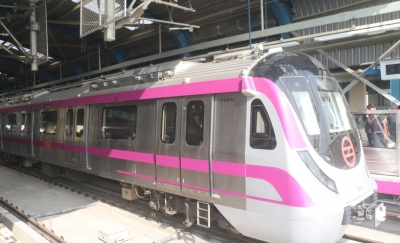
The Delhi Metro Rail Corporation (DMRC) has unveiled plans to promote public transport and lessen reliance on private vehicles. Starting May 18, the DMRC will introduce 24 extra train trips every Monday by deploying six additional trains to cater to passenger demand. Emphasizing energy security and sustainable mobility, the DMRC aims to position metro services as a dependable alternative to petrol-based transport.
To ensure seamless operations, the DMRC is prepared to manage any rise in passenger numbers and will monitor travel patterns closely. The metro operator is enhancing station management and security infrastructure by increasing security personnel, opening more ticket counters, activating additional security equipment, and reducing waiting times during peak hours.
The DMRC network offers integrated urban transport connectivity, linking railway stations, Interstate Bus Terminals (ISBTs), airport terminals, the Namo Bharat Regional Rapid Transit System (RRTS), the Noida Metro, and the Rapid Metro in Gurugram. It also connects various commercial centers, government offices, educational institutions, tourist spots, and cultural landmarks across Delhi-NCR.
In a bid to improve first and last-mile connectivity, the DMRC has established a vast ecosystem across 160 Metro stations, benefiting around one lakh passengers daily through e-autos, e-rickshaws, bike taxis, cab aggregators, and bicycle rentals. The DMRC Saarthi App offers integrated booking services for Metro tickets and last-mile transport through a single digital platform, enhancing commuter convenience.
Recently, the DMRC, in collaboration with Indian Oil Corporation Limited, launched hydrogen-based bus services in the Central Vista area to enhance last-mile connectivity between Metro stations and government offices. Feeder connectivity at 52 Metro stations is provided by around 1,500 Devi buses operated by the Delhi Transport Corporation, with plans for more buses in the future.
Parking facilities at 126 Metro stations support “park and ride” commuting, encouraging the public to switch from private vehicles to public transport. The DMRC is also focusing on digital ticketing solutions, including QR-code tickets, National Common Mobility Cards (NCMC), WhatsApp-based ticketing, and integrations with platforms like Paytm, PhonePe, Amazon, and IRCTC, in alignment with national priorities for sustainable urban mobility.
