


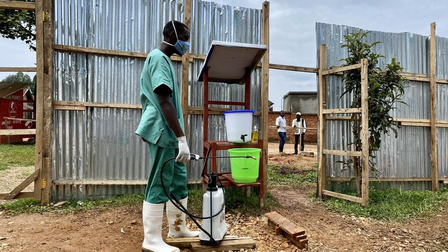
The Democratic Republic of the Congo (DRC) has confirmed 1,406 cases of Ebola, with 438 deaths, as per government reports. Among these cases, 192 patients have recovered, while 609 individuals are currently receiving treatment or care. The outbreak is primarily concentrated in the eastern provinces of Ituri, North Kivu, and South Kivu, where response operations are actively ongoing.
The government is enhancing response capabilities by deploying vehicles and ambulances, providing medicines and protective equipment, and intensifying communication and community mobilization efforts. The outbreak was declared in mid-May, with health authorities and international partners highlighting challenges such as insecurity, population movements, and incomplete contact tracing that complicate response efforts, as reported by Xinhua news agency.
Ebola is a severe and often fatal disease caused by a virus transmitted from wild animals to humans through infected bodily fluids. Symptoms include flu-like signs, fever, and potential organ failure. The ongoing outbreak in the DRC and Uganda involves the Bundibugyo species of Ebola, for which there is no specific treatment or vaccine currently available, although research is underway to evaluate potential candidates.
Symptoms of Ebola typically manifest within 2 to 21 days after exposure, encompassing fever, fatigue, muscle pain, headache, vomiting, diarrhea, and in severe cases, unexplained bleeding or bruising. The World Health Organization (WHO) has classified this outbreak as a Public Health Emergency of International Concern.
