


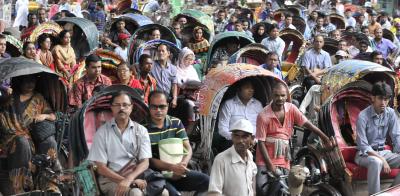
The growth of Dhaka, Bangladesh’s capital, reflects a fragile economic landscape, hindering its transformation into a modern city. Despite rapid expansion in size and population, Dhaka remains chaotic and poorly planned, lacking essential services and green spaces. A report in a local daily outlined the city’s challenges, including transportation woes, inadequate housing planning, and pervasive pollution issues.
The report emphasized Dhaka’s increasing slum population, with informal settlements spreading and often making headlines during evictions and fire incidents. Urbanization has reshaped the city’s demographics, but there is a notable neglect of residents’ living conditions, social dynamics, and community development. High rates of child marriage, malnutrition, low education levels, and limited healthcare access further compound the city’s woes.
In a global survey by the Economist Intelligence Unit, Dhaka ranked 171st out of 173 cities on the Global Liveability Index, citing poor scores in stability, healthcare, culture, education, and infrastructure. The city also grapples with severe air pollution, frequent flooding threats due to inadequate drainage, and subpar waste management. Construction activities contribute to a dusty and grim environment, exacerbating existing challenges of poverty, inequality, healthcare deficiencies, and governance weaknesses.
