


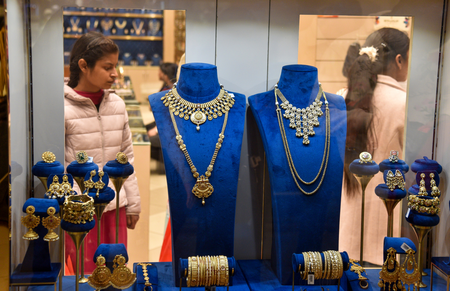
The domestic jewellery market, currently valued at around $85–90 billion, is expected to grow to $130–150 billion by 2030. This growth will be fueled by factors such as wedding demand, premiumisation, expansion of organised retail, and increasing consumer confidence. The 2nd edition of ‘DJGF Signature 2026’ at Bharat Mandapam in North India has given a significant boost to the jewellery trade.
Avinash Gupta, Vice Chairman of the All India Gem and Jewellery Domestic Council (GJC), noted that the strong participation from exhibitors and buyers signifies a positive business sentiment and the maturing gem and jewellery ecosystem. He highlighted the industry’s adaptation to a “new normal” with gold premiums at around 3% and silver at nearly 5%, along with more efficient inventory cycles and frequent B2B exhibitions.
Gupta emphasized the need to prepare for upcoming regulatory changes, including BIS-led HUID transfers for traceability, mandatory silver hallmarking, and compliance with PMLA regulations. India’s gems and jewellery sector, contributing 7-8% to the country’s GDP and accounting for 12-14% of merchandise exports, supports over 5 million jobs. India plays a crucial role in the global value chain, processing 90% of the world’s diamonds by volume and remaining a significant consumer of gold.
Yogesh Mudras, Managing Director of Informa Markets in India, highlighted the structured growth expected in the domestic jewellery market, driven by festive demand, bridal purchases, and increased formalisation. Ram Avtar Verma, President of The Bullion and Jewellers Association Delhi (TBJA), praised the scale, participation, and energy of ‘DJGF Signature 2026’, showcasing the industry’s progress.
