


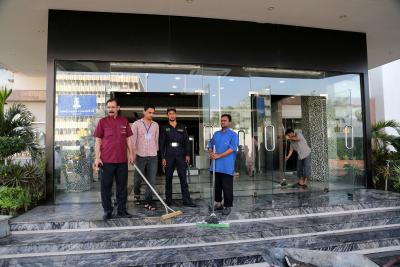
Domestic workers in Pakistan’s Sindh face challenges due to labor law violations, including child labor, long hours, low wages, and power-based dispute resolutions. The Sindh Domestic Workers Bill of 2018 aimed to protect them but was not enacted. A newer bill, the Sindh Domestic Workers Welfare Bill 2025, is pending approval, leaving around 1 to 1.2 million workers vulnerable.
The 2025 bill seeks to ban child labor, extend maternity leave, resolve disputes through labor courts, require written contracts, and limit work hours. However, concerns exist about its practical implementation. Sindh has multiple child labor laws with varying penalties, indicating a lack of enforcement. It is crucial for the government to expedite the approval of the 2025 bill to safeguard domestic workers effectively.
The delay in enacting protective legislation has left domestic workers without proper recourse in case of exploitation. The situation reflects the broader issue of growing inequality and poverty in Pakistan, as highlighted by recent reports. The government must address these challenges promptly to improve the working conditions and rights of domestic workers in Sindh.
