


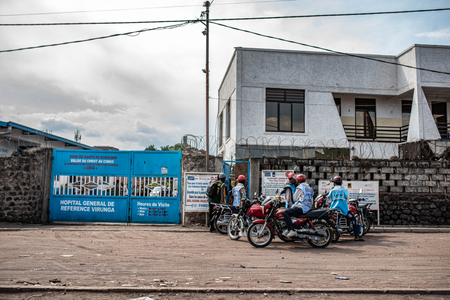
Around 131 suspected deaths and 513 suspected cases have been reported in the latest Ebola outbreak in the Democratic Republic of the Congo (DRC), according to DRC Health Minister Roger Kamba. The deaths were recorded in the affected zones, but not all are confirmed to be caused by Ebola. Investigations are ongoing to determine the actual link to the disease.
The new Ebola outbreak was declared in the eastern province of Ituri on May 15, marking the country’s 17th outbreak since 1976. Cases have also been confirmed in the neighboring North Kivu province, as reported by Kamba. The outbreak is attributed to the Bundibugyo strain of the Ebola virus, which is considered less lethal than the Zaire strain.
The World Health Organization has declared the Ebola outbreak in the DRC and Uganda a public health emergency of international concern. International spread has been documented, with two confirmed cases reported in Kampala, Uganda, following travel from the DRC. Neighboring countries like Rwanda, Burundi, and Tanzania have heightened surveillance and emergency preparedness measures.
The Africa Centres for Disease Control and Prevention has also declared the latest Ebola outbreak in the DRC and Uganda a public health emergency of continental security. The border between Rwanda and the DRC in Rwanda’s Rubavu District was closed following the Ebola outbreak in the DRC. Ebola virus is highly contagious and can lead to severe symptoms, including fever, vomiting, diarrhea, and internal or external bleeding.
According to the World Health Organization, Ebola fatality rates range from 50% to 89%, depending on the viral subtype.
