


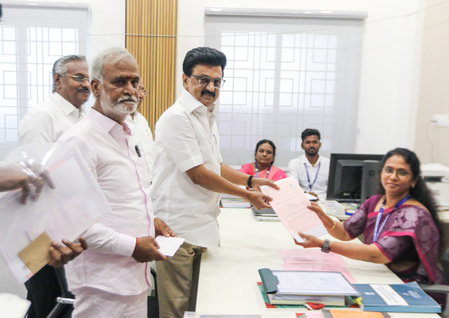
The electoral scene for the upcoming Tamil Nadu Assembly elections is now set, with a total of 4,023 candidates vying for seats across the state after the conclusion of nomination withdrawals. The nomination process, which began on March 30, saw a strong response, with 7,599 papers filed within four days. However, approximately 2,460 nominations were rejected during scrutiny due to incomplete or invalid documentation, leading to a reduction in the number of candidates.
Karur stands out as the most densely contested constituency with 79 candidates, indicating fierce political rivalry. Following closely are Perambur with 47 candidates, Kolathur with 35, and Paramathi-Velur with 31 contenders. In contrast, Ambasamudram has the lowest number of participants at just five, while Udhagamandalam, Gudalur, and Coonoor each have six candidates, suggesting less crowded competitions in these hilly and southern areas.
The elections will feature notable political figures and familiar names in the race. Chief Minister M.K. Stalin will be contesting from Kolathur, while AIADMK leader Edappadi K. Palaniswami seeks re-election from Edappadi. Actor-turned-politician Joseph Vijay, Naam Tamilar Katchi chief Seeman, and DMK leader Udhayanidhi Stalin are among the prominent contenders. DMDK general secretary Premalatha Vijayakanth and senior ministers like Duraimurugan, K.N. Nehru, E.V. Velu, and I. Periyasamy also contribute to the competitive field.
Compared to the 2021 Assembly elections, this year saw a slight increase in the number of contestants, indicating heightened political involvement and rivalry. The polling for the 234-member Assembly is slated for April 23, with vote counting scheduled for May 4. To uphold a fair and transparent electoral process, the Election Commission of India has deployed 176 general and police observers, along with 150 expenditure observers, to oversee campaign activities and spending patterns, ensuring compliance and upholding democratic principles.
