


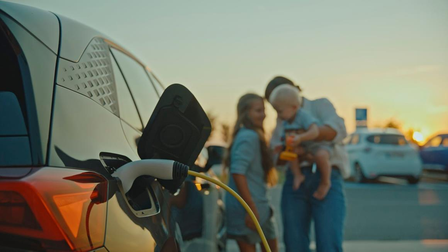
The use of electric vehicles is positively impacting air quality in California neighborhoods, as per a recent report. Researchers from the Keck School of Medicine of USC observed a significant decrease in nitrogen dioxide pollution directly associated with zero-emissions vehicles. The study, published in The Lancet Planetary Health, analyzed air pollution changes from 2019 to 2023, coinciding with the increased adoption of electric and plug-in hybrid cars in California.
For every 200 electric vehicles introduced in a neighborhood, nitrogen dioxide levels decreased by approximately 1.1 percent, the researchers discovered. Nitrogen dioxide, a harmful pollutant largely stemming from fossil fuel combustion, is linked to respiratory issues and cardiovascular diseases. Despite being primarily seen as a long-term solution for climate change, electric vehicles are already proving to have immediate air quality benefits.
Previous studies hinted at a connection between electric vehicle usage and reduced pollution levels, but the scope was limited. By utilizing high-resolution satellite data from NASA’s TROPOMI instrument, the USC team monitored changes in air quality across almost every California neighborhood. The state was divided into 1,692 neighborhood-sized regions for analysis, correlating electric vehicle registrations with nitrogen dioxide levels over the study period.
Lead author Dr. Sandrah Eckel emphasized that although electric vehicles constitute a small fraction of California’s total vehicles, their impact is measurable. The proportion of zero-emissions vehicles rose from 2 percent to 5 percent during the study, indicating room for further enhancement with increased adoption. The research underscores the potential of satellite technology in tracking air pollution globally and its role in evaluating the environmental effects of clean energy initiatives.
