


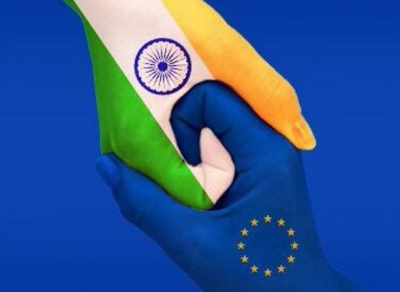
The EU-India Free Trade Agreement negotiations have successfully concluded amidst a significant shift in the global strategic landscape. The European Policy Centre highlighted that the EU’s efforts to diversify trade partnerships have intensified due to concerns over China’s economic practices and the unpredictability of US trade policies. This move aims to reduce strategic dependencies and expand economic partnerships.
With Russia’s invasion of Ukraine and growing assertiveness from Washington and Beijing, the EU is apprehensive about the future of open markets and the rules-based international order. The new FTA with India is seen as a crucial step in diversifying trade partnerships, according to the article. It serves as a strategic measure to safeguard against economic pressures faced by India, particularly concerning imports of inexpensive oil from Russia.
The article emphasizes that the FTA offers India a strategic advantage amidst economic challenges, including those posed by the previous US administration. Both EU and Indian leaders have publicly highlighted their renewed commitment to trade, labeling it as “the mother of all deals.” The agreement signifies a joint effort by two major democratic economies to reinforce credible trade frameworks and extend their impact beyond bilateral relations.
The EU’s political stakes are notably high in this context. Brussels aims to showcase the effectiveness of its new trade strategy in navigating challenges posed by the US, especially during Donald Trump’s presidency.
